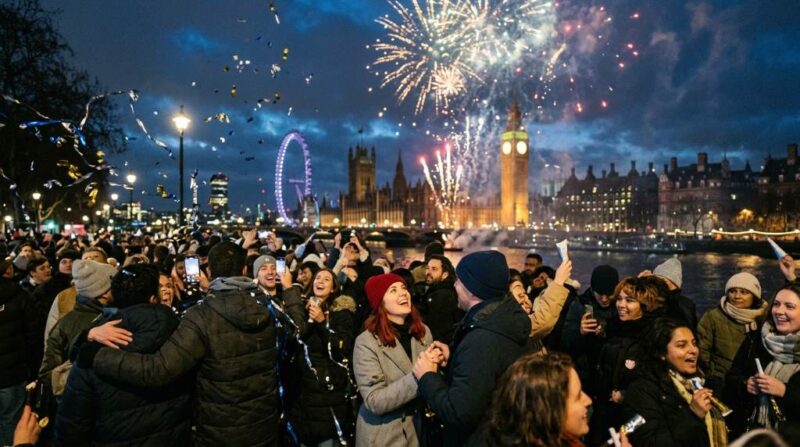
The New Year night brought varied experiences across the USA and UK on December 31, 2026. Cities reported different turnout levels and safety outcomes. One survey showed 72% attended public events, and another found 58% traveled regionally. This review highlights trends, weather effects, travel impacts, and planning tips.
Overview of Celebrations
Major cities hosted fireworks, concerts, and street parties that drew large crowds. Event organizers emphasized safety protocols and crowd control measures. Authorities managed transport shifts and extended service hours in many places. These coordinated actions shaped attendee experiences significantly.
Attendance and Crowd Trends
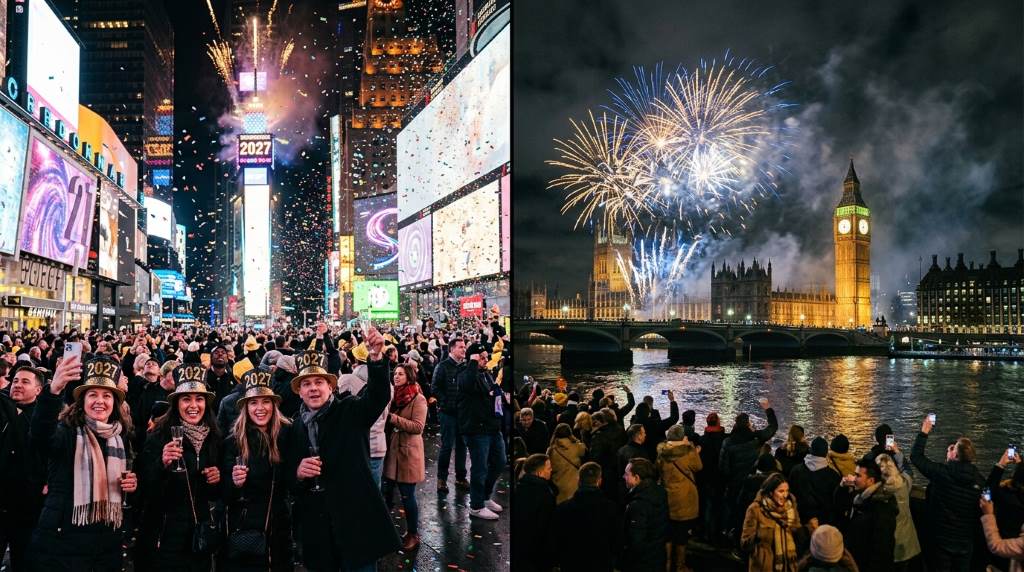
Attendance varied widely between urban centers and smaller towns across both countries. London, New York, and Los Angeles reported the highest densities at midnight. Suburban gatherings and private parties filled local venues steadily. Trends showed increased demand for outdoor experiences over private events.
Demographic Patterns
Younger adults dominated public square celebrations while families favored earlier shows. International visitors contributed notably to city center crowds. Older attendees preferred organized indoor events with seating and amenities. These distinctions impacted service needs and safety planning.
Weather Influence and Climate Notes
Weather shaped turnout and comfort levels across locations on December 31, 2026. The UK faced cool, drizzly conditions while parts of the USA had clear skies and single-digit temperatures. Wind gusts affected firework displays in coastal cities and reduced visibility. Local climate considerations changed event timing and logistics.
Practical Weather Advice
Dress in breathable layers for milder coastal nights and insulated layers for continental cold. Bring waterproof outerwear in rainy regions and windproof jackets in coastal zones. Choose shoe traction for icy sidewalks in northern areas. Plan arrival windows around predicted precipitation and wind windows.
Transportation and Mobility
Public transit extensions eased late-night departures and minimized road congestion significantly. Ride-hailing services saw surge pricing and longer waits in peak zones. Road closures near event zones required detours and advance planning. Authorities recommended walking or transit for city center access.
Actionable Transport Tips
Book return transit tickets in advance for major events to secure seats. Use official apps for real-time service alerts and station closures. Park outside congestion zones and use shuttle services or bikeshares. Allow extra travel time for crowds and limited vehicle access.
Safety, Security, and Health
Organizers increased visible security and medical stations at high-density sites. Police reported fewer major incidents than the previous year due to improved crowd control. First aid posts and temporary warming shelters assisted vulnerable attendees. Health advisories encouraged staying hydrated and moderating alcohol intake.
Practical Safety Measures
Create a meeting point with your group if you get separated in large crowds. Carry a charged phone and portable battery to maintain communication. Keep identification and essential medications on your person at all times. Follow official guidance posted at event perimeters and entrances.
Economic Impact and Local Businesses
Hospitality sectors experienced strong revenue spikes in major cities during New Year events. Local vendors benefited from foot traffic but faced staffing pressures and inventory limits. Tourism boosts aided hotels and restaurants with higher occupancy rates. Some small businesses reported supply chain delays affecting service.
Advice for Local Businesses
Anticipate higher staffing needs and schedule backups for peak hours. Stock high-demand items early to avoid last-minute shortages. Offer clear pickup and delivery slots to manage customer expectations. Communicate opening hours and special menus on social channels promptly.
Entertainment and Programming Highlights
Concerts and curated countdown shows drew viewers both onsite and online across the USA and UK. New creative installations and projection mapping added immersive experiences in several plazas. Live streaming expanded access for remote audiences and reduced overcrowding risks. Event producers balanced spectacle with safety considerations effectively.
Emerging Programming Trend
One uncommon trend combined silent disco zones near family-friendly areas to reduce noise complaints. This approach allowed layered programming for differing audience preferences simultaneously. It also improved noise management near residential zones and late-night transport hubs. Expect similar hybrid solutions next year.
Environmental Considerations
Organizers increasingly adopted low-impact fireworks and drone shows to reduce pollution and debris. Recycling stations and volunteer cleanup crews appeared at many event sites. Noise mitigation steps protected wildlife and local residents in sensitive areas. Environmental planning began influencing permit approvals significantly.
How Attendees Can Help
Carry a small reusable bag to collect personal waste and recyclables during events. Avoid bringing single-use plastics and dispose of waste at designated stations only. Respect cordoned areas to prevent trampling of sensitive green spaces. Use public transit to reduce your carbon footprint when possible.
Comparison: USA vs UK Approaches
The USA favored large-scale outdoor spectacles and televised countdown shows in major cities. The UK leaned toward managed gatherings with ticketing and limited-capacity zones. Both countries expanded real-time information services for attendees via apps and social channels. Differences reflected legal frameworks, climate, and urban density.
Practical Example by Climate
In New York, clear winter nights favored fireworks but required heaters at outdoor viewing zones. In London, damp air prompted covered viewing areas and flexible program timing. Coastal cities adjusted for wind by reducing pyrotechnic intensity. Each city adapted based on local meteorological models and forecasts.
Lessons for Event Organizers
Early coordination with transport and emergency services improved operational resilience notably. Flexible scheduling around weather forecasts minimized cancelled segments. Transparent ticketing and capacity limits reduced uncontrolled crowding. Invest in communication systems to maintain attendee confidence and safety.
Checklist for Organizers
- Confirm transit extensions and communicate them clearly to attendees.
- Coordinate with meteorological services for precise forecasts and contingency plans.
- Deploy accessible first aid, hydration stations, and warming shelters.
- Plan waste management and low-impact spectacle alternatives in advance.
Unique and Underreported Insight
This review highlights a seldom-discussed benefit of modular event staging at multiple micro-venues. Micro-venues dispersed across neighborhoods reduced central congestion and boosted local businesses. They also allowed tailored programming for different age groups and preferences. Cities should integrate micro-venue networks into future New Year designs.
How to Implement Micro-Venues
Identify safe, accessible local parks, community centers, and plazas as satellite sites. Coordinate staggered countdowns to move smaller crowds between venues smoothly. Provide shuttle links and clear digital maps to guide attendees between sites. Use consistent branding and communication across all micro-venues for cohesion.
Planning Tips for Attendees
Decide your viewing spot and book any required tickets well ahead of time. Check local weather forecasts and pack layers, waterproofs, and traction footwear. Save maps and transit schedules offline in case of connectivity issues. Share your plan with friends and set a meeting location in advance.
Packing Checklist
- Layered clothing, waterproof jacket, and hat.
- Portable battery, identification, and small cash.
- Reusable bag for waste and water bottle.
- Transit ticket and emergency contact list stored offline.
Looking Ahead to 2027 Events
Expect continued innovation in spectacle design and crowd management in upcoming seasons. Paris Fashion Week schedules in late September may influence international travel peaks next year. Event planners will likely refine hybrid experiences and micro-venue strategies further. Sustainability will remain central to permitting and public support.
Practical Forecast for Travelers
Book accommodations early around major city hubs during flagship events. Monitor event calendars to avoid overlapping high-demand dates and surge pricing. Consider traveling midweek or using peripheral neighborhoods for better rates. Keep travel insurance that covers schedule changes and cancellations.
Conclusion
The December 31, 2026 New Year night across the USA and UK combined spectacle with improved safety and sustainability. Micro-venue strategies, weather-aware planning, and transport coordination shaped better outcomes. Apply the planning tips here to improve your next celebration experience. Plan early, prepare for weather, and choose safe transit options now.
Frequently Asked Questions
Was attendance higher than previous years?
Yes, many major cities reported modest increases in public event attendance compared to the prior year.
Did weather cause major cancellations?
No, most events adjusted schedules rather than canceling outright due to advance forecasts and contingencies.
Are drone shows replacing fireworks?
Some cities used drones as an environmentally friendlier alternative, though fireworks remained common.
What should I pack for chilly, damp nights?
Pack layered clothing, waterproof outerwear, traction footwear, and a portable phone charger.
How can local businesses prepare for next New Year?
Plan staffing, inventory, and backup suppliers early, and communicate hours and services clearly online.