Every November people across the United Kingdom wear red poppies to honor military veterans. This tradition began after World War I when the poppy became a symbol of remembrance. Over 40 million poppies are distributed annually by the Royal British Legion. The practice unites communities in silent gratitude for those who served.
The Origins of the Remembrance Poppy
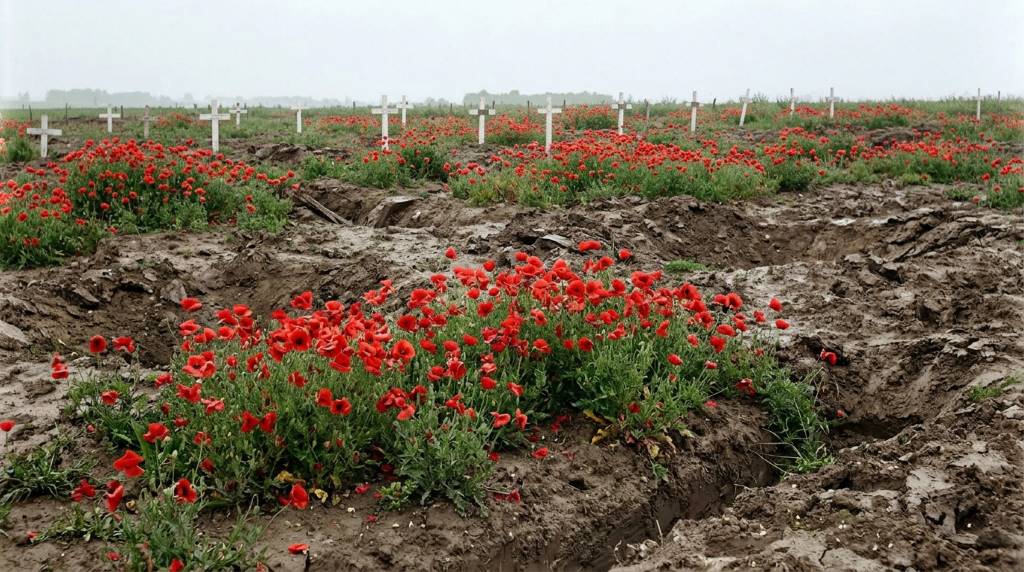
The poppy tradition started with a poem written by Lieutenant Colonel John McCrae in 1915. His work In Flanders Fields described poppies growing among soldiers graves in Belgium. The poem moved an American professor named Moina Michael to adopt the poppy as a memorial symbol. She campaigned tirelessly to make the poppy a universal emblem of remembrance.
In 1921 the Royal British Legion began selling poppies to support veterans and their families. The first Poppy Appeal raised over 106000 pounds for World War I veterans. The tradition quickly spread across the Commonwealth and beyond. Today the poppy remains a potent symbol of loss and hope.
The Symbolism Behind the Red Poppy
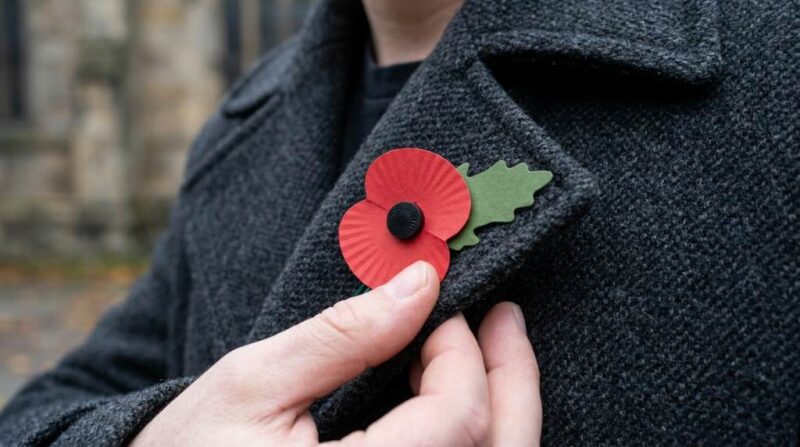
The red poppy symbolizes the blood shed by soldiers in conflict zones. Its delicate petals represent the fragility of life during wartime. The black center reminds us of the grief felt by those left behind. The green leaf signifies the hope for peace and renewal.
Each part of the poppy carries deep meaning for those who wear it. The flower’s ability to grow in disturbed soil mirrors resilience in adversity. Its annual return each November serves as a natural calendar for remembrance. The poppy connects past sacrifices with present day gratitude.
How the Poppy Tradition Spread Across the UK
The Royal British Legion organized the first national Poppy Appeal in 1921. Volunteers sold silk poppies to raise funds for veterans welfare programs. The campaign gained momentum as communities embraced the symbolic gesture. By the 1930s poppy wearing had become a nationwide tradition.
Local branches of the Legion still distribute poppies in towns and cities today. Schools often hold assemblies to explain the poppy’s significance to children. Workplaces encourage employees to wear poppies during the remembrance period. The tradition continues to evolve while maintaining its core purpose.
The Role of the Royal British Legion
The Royal British Legion leads the Poppy Appeal each year. This charity provides support for serving and ex serving military personnel. Funds raised help with employment housing and mental health services. The Legion also organizes remembrance events across the country.
Volunteers dedicate countless hours to poppy distribution and collection. The charity’s work ensures that veterans receive the care they deserve. The Poppy Appeal also educates the public about the sacrifices made by military personnel. Their efforts keep the tradition alive for future generations.
Controversies and Alternative Symbols
Some people choose to wear white poppies as a symbol of peace. The white poppy represents a commitment to ending all wars. This alternative tradition began in 1933 by the Peace Pledge Union. It offers a different perspective on remembrance and conflict.
Purple poppies honor animal victims of war. This lesser known symbol recognizes the contributions of horses dogs and other animals. The purple poppy movement started in 2006 to raise awareness. Each color variation adds depth to the remembrance conversation.
Debates occasionally arise about the political implications of poppy wearing. Some view it as a show of support for current military actions. Others see it purely as a historical remembrance gesture. These discussions highlight the complexity of national memory.
The Poppy in Modern British Culture
Football matches often feature poppy displays during November. Players and fans wear poppies to show their respect. The FA has faced debates about poppy wearing rules in recent years. These discussions reflect the symbol’s enduring relevance.
Television presenters and public figures wear poppies during the remembrance period. Social media campaigns encourage digital poppy sharing. Schools create poppy art projects to engage students in remembrance activities. The tradition adapts to modern communication methods.
Poppy themed merchandise helps raise additional funds for veterans causes. Supermarkets and retailers stock poppy related products each November. These items allow people to show support in various ways. The commercial aspect sometimes sparks ethical discussions.
How Poppies Are Made and Distributed
The Royal British Legion’s poppy factory employs veterans to make the symbols. This provides meaningful employment for former service members. The factory produces millions of poppies each year for the appeal. Each poppy represents hours of careful craftsmanship.
Volunteers distribute poppies in exchange for donations. Collection boxes appear in shops pubs and community centers. Online donations have become increasingly popular in recent years. The digital age has expanded the reach of the Poppy Appeal.
Poppy wreaths are laid at war memorials during remembrance ceremonies. These larger symbols often incorporate personal messages. Families of fallen soldiers sometimes create custom wreaths. The wreath laying tradition adds a personal touch to public remembrance.
The Unique Story of the Poppy in Scotland
Scotland has its own poppy tradition with a distinctive four petal design. The Scottish Poppy Appeal supports veterans through Poppyscotland. This charity provides tailored services for Scottish veterans. The Scottish poppy often features a different leaf arrangement.
The Scottish poppy tradition dates back to 1926. Earl Haig’s wife established Poppyscotland to support Scottish veterans. The charity now raises over 2 million pounds annually. Scottish communities embrace the poppy with particular enthusiasm.
Highland games and other Scottish events often feature poppy displays. Bagpipe bands frequently perform at remembrance ceremonies. The Scottish approach to remembrance incorporates unique cultural elements. These traditions highlight the diversity within UK remembrance practices.
Remembrance Day Ceremonies and Traditions
The National Service of Remembrance takes place at the Cenotaph in London. This ceremony features two minutes of silence at 11 am on November 11. The Queen and other royals traditionally attend the event. Veterans and military personnel participate in the march past.
Local communities hold their own remembrance services across the UK. These events often include readings prayers and wreath laying. Schools and churches organize special remembrance activities. The two minute silence remains a central feature of all ceremonies.
Remembrance Sunday always falls on the second Sunday in November. This timing ensures that the main ceremonies occur on a weekend. The date allows for maximum public participation in remembrance events. The Sunday timing has become a cherished tradition.
How to Wear a Poppy Correctly
Tradition suggests wearing the poppy on the left side near the heart. This placement symbolizes the poppy’s connection to emotion and remembrance. Some people choose to wear multiple poppies for different causes. The most important aspect is wearing it with respect.
Poppies should be worn from late October until Remembrance Sunday. This extended period allows for continuous remembrance. Some people wear poppies year round to honor specific individuals. The timing of poppy wearing can be a personal decision.
When removing a poppy after Remembrance Day some choose to keep it as a memento. Others prefer to dispose of it respectfully. The Royal British Legion collects used poppies for recycling. This practice ensures that the symbols continue to support veterans.
The Poppy’s Global Influence
Commonwealth countries including Canada Australia and New Zealand also wear poppies. Each nation has developed its own variations on the tradition. The poppy symbol has spread to non Commonwealth countries as well. International remembrance practices often incorporate the poppy.
The American Legion adopted the poppy as a memorial symbol in 1920. The US tradition differs slightly from the UK approach. American poppies often feature a different design and distribution method. The global spread demonstrates the poppy’s universal resonance.
International conflicts have created new remembrance traditions worldwide. Some countries combine the poppy with their own national symbols. The poppy’s adaptability allows it to transcend cultural boundaries. Its message of remembrance resonates across different societies.
Educating the Next Generation About Poppies
Schools play a crucial role in teaching children about the poppy’s significance. Age appropriate lessons explain the history and meaning behind the symbol. Many schools organize poppy making activities for younger children. These educational efforts ensure the tradition’s continuation.
The Royal British Legion provides educational resources for teachers. These materials help explain complex historical concepts to students. Interactive activities make the learning process engaging. The charity’s educational work extends beyond the classroom.
Families often share personal stories of military service with their children. These conversations help connect abstract historical events to real people. Visits to war memorials provide tangible learning experiences. The intergenerational transmission of knowledge strengthens the tradition.
The Economic Impact of the Poppy Appeal
The Poppy Appeal raises tens of millions of pounds annually for veterans causes. These funds support a wide range of services for military personnel. The economic impact extends beyond direct charitable giving. The poppy tradition also supports employment for veterans.
Local businesses often participate in the Poppy Appeal through workplace collections. This involvement strengthens community ties and corporate social responsibility. The appeal’s economic benefits reach both urban and rural areas. The poppy’s presence in commercial spaces raises public awareness.
The poppy’s economic significance includes its role in tourism. Visitors to the UK often encounter poppy displays during November. Remembrance related tourism supports local economies. The tradition’s economic aspects complement its symbolic importance.
The Poppy in Literature and Art
Poets and writers have used the poppy as a powerful literary symbol. Wilfred Owen and Siegfried Sassoon featured poppies in their war poetry. Contemporary authors continue to explore the poppy’s metaphorical possibilities. The flower’s literary significance endures.
Artists have depicted poppies in paintings sculptures and other visual media. These artistic representations often explore themes of loss and renewal. Public art installations sometimes incorporate poppy motifs. The poppy’s visual appeal inspires creative expression.
Musicians have composed works inspired by the poppy’s symbolism. Songs and compositions often use the poppy as a metaphor for remembrance. Musical performances at remembrance events enhance the emotional impact. The poppy’s cultural influence extends to the performing arts.
The Future of the Poppy Tradition
Younger generations continue to embrace the poppy tradition in new ways. Social media campaigns have expanded the reach of remembrance activities. Digital poppies allow for virtual participation in the tradition. The poppy’s future seems secure in an increasingly digital world.
Debates about the poppy’s relevance in modern society continue. Some question whether the symbol remains meaningful for contemporary audiences. Others argue that the poppy’s message transcends specific historical contexts. These discussions ensure the tradition’s continued evolution.
Environmental concerns have led to innovations in poppy production. Biodegradable materials are increasingly used for poppy manufacturing. Sustainable practices align with modern values while preserving tradition. The poppy’s adaptability bodes well for its future.
Conclusion
The red poppy remains a powerful symbol of remembrance in the UK. Its history and meaning connect past sacrifices with present day gratitude. The tradition continues to evolve while maintaining its core purpose. Wearing a poppy offers a simple yet profound way to honor military veterans.
As society changes the poppy tradition adapts to new circumstances. Its message of remembrance and respect endures across generations. The poppy’s bright color serves as a visible reminder of shared history. This November consider wearing a poppy to show your support.
Take a moment to learn about the stories behind the symbol. Share the tradition with others in your community. Support veterans charities through donations or volunteer work. Together we can keep the spirit of remembrance alive.
FAQs
Why is the poppy specifically red
The red color symbolizes the blood shed by soldiers in war.
When should I start wearing a poppy
Poppies are traditionally worn from late October until Remembrance Sunday.
What does the green leaf on the poppy represent
The green leaf signifies hope for peace and renewal after conflict.
Can I wear a poppy if I am not British
Yes anyone can wear a poppy to show respect for military sacrifices.
How are the funds from poppy sales used
The money supports veterans and their families through various welfare programs.