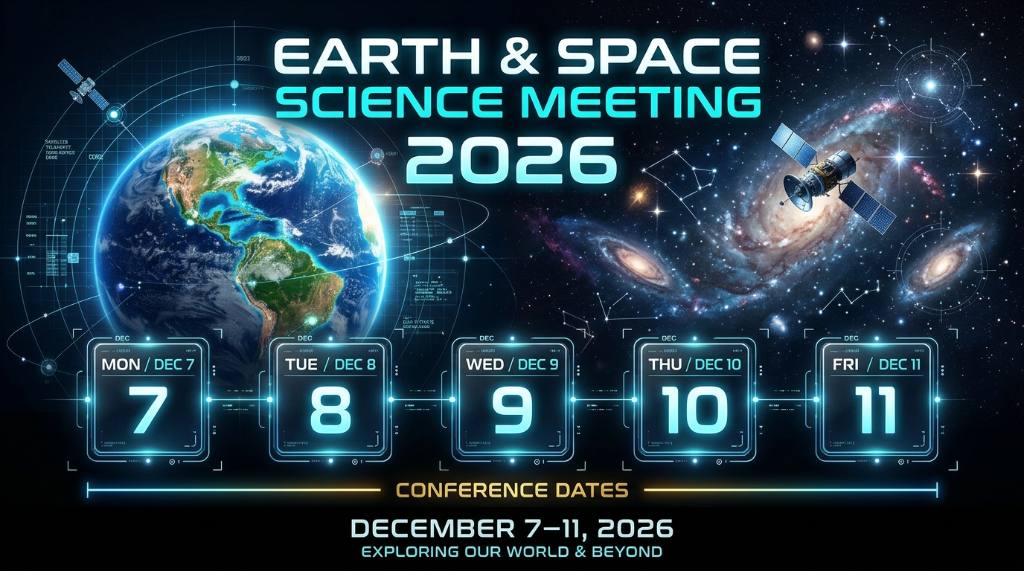
Each December, Earth and space scientists fill San Francisco. They share fresh data, test new ideas, and meet peers from every continent. In 2026, the AGU Fall Meeting 2026 runs from December 7 to December 11. This guide explains the dates, the venue, the registration steps, the program, and the travel basics. Additionally, it offers simple tips that save time and money. Read on, and you will arrive at the Moscone Center with a clear plan.
Quick Overview of the Event
Here is the short version. The table below lists the facts most visitors need first. However, always confirm final details on the official AGU website before you book flights or hotels.
| Detail | Information |
| Event | American Geophysical Union annual meeting (AGU26) |
| Dates | Monday, December 7 to Friday, December 11, 2026 |
| Venue | Moscone Center, 747 Howard Street, San Francisco, California |
| Format | In person |
| Typical hours | About 9 a.m. to 5 p.m. |
| Attendance | More than 25,000 people from over 100 countries |
| Theme | Where Science Connects |
| Registration and housing | Open |
What Is the American Geophysical Union Annual Meeting?
The American Geophysical Union, known as AGU, has supported Earth and space science for more than 100 years. Its yearly meeting is the largest gathering of its kind. More than 25,000 people from over 100 countries attend. They include researchers, students, teachers, policymakers, and industry experts.
The 2026 theme is Where Science Connects. That idea fits the event well. Climate scientists talk with ocean experts. Planetary scientists trade ideas with space physicists. Therefore, you often leave with a new contact from a field you did not expect.
The meeting also matters for careers. Students present their first posters. Early-career researchers find mentors. Meanwhile, senior scientists scout new collaborators. In short, the event serves every stage of a science career.
Dates and Key Deadlines
The meeting runs Monday through Friday. Sessions usually start around 9 a.m. and end around 5 p.m., based on the venue listing. Additionally, evening events fill the calendar, so expect long days.
Several deadlines have already passed. The regular abstract deadline closed on August 5. The late-breaking abstract deadline fell on September 29. However, AGU reports that registration and housing are open, so you can still join as an attendee.
| Date | Milestone | Status |
| August 5 | Regular abstract deadline | Closed |
| August 25 | Attendee, press, and exhibitor registration and housing open | Open |
| Early September | Sessions finalized and program built | Done |
| September 29 | Late-breaking abstract deadline | Closed |
| December 7–11 | Meeting in San Francisco | Upcoming |
Because the date is close, act soon. Hotels near the venue fill fast in the weeks before a big meeting. Therefore, book your room and flight as early as you can.
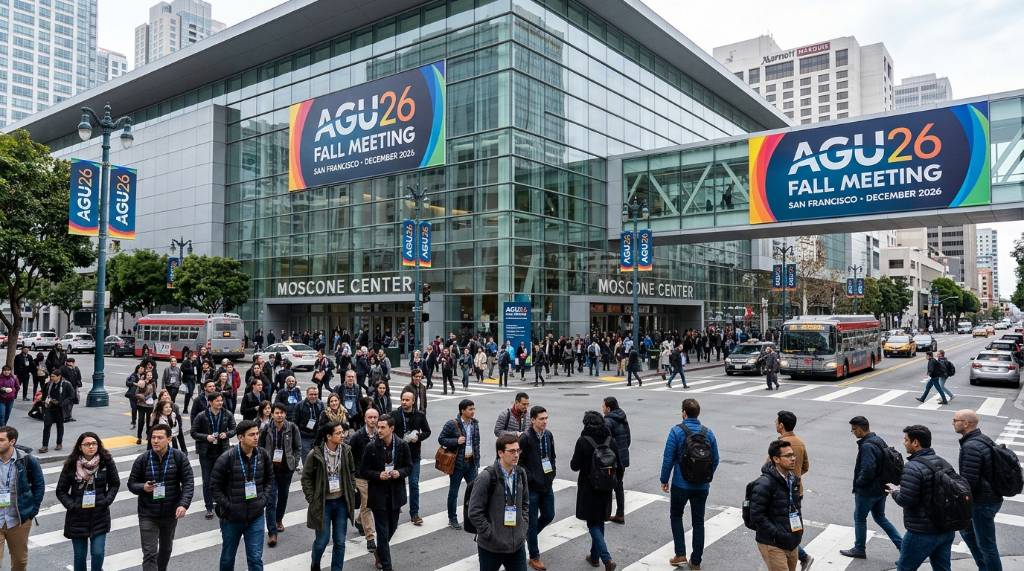
Location: Moscone Center in San Francisco
The Venue
Moscone Center sits at 747 Howard Street in the SoMa district. It is the city’s largest convention complex. The center has several large halls, so you will walk between buildings. Therefore, pack comfortable shoes.
Yerba Buena Gardens lies next door. It offers a calm spot to rest between sessions. Cafés, shops, and museums also sit within a short walk.
How to Get There
San Francisco offers many ways to reach the venue. The table compares the main options.
| Option | Best for | Notes |
| BART train | Airport and East Bay travelers | Ride to Powell Street Station, then walk a few blocks. The trip from SFO takes about 30 minutes. |
| Muni Metro and buses | Travel inside the city | Several lines serve downtown and SoMa. |
| Taxi or rideshare | Late nights and heavy bags | Expect traffic near the venue at peak hours. |
| Walking | Guests of nearby hotels | Many downtown hotels sit within 15 minutes on foot. |
Registration: A Simple Step-by-Step Guide
Registration and housing run through AGU’s official portal. In past years, every attendee had to register, including presenters and conveners. Expect the same rule this year, but check the current policy to be sure.
How to Register
- Create an AGU account or sign in to your existing one.
- Choose your registration type, such as member, non-member, student, or one-day.
- Add the workshops or special events you want to attend.
- Reserve a hotel through the official housing tool.
- Pay in full and save your confirmation email.
Fees and Savings
AGU often offers early bird savings. In recent years, the early bird deadline fell in early November. Therefore, check the 2026 deadline now, because it may arrive soon. Members usually pay less, so join or renew before you register. Additionally, AGU has offered reduced rates for students and for people from lower-income countries. It has also sold one-day passes for visitors who can attend for a single day. Prices change each year, so confirm current rates on the registration page.
Watch Out for Unofficial Sellers
In past years, AGU warned that only its named partner could sell registrations and hotel rooms. Other companies may email or call with offers. Ignore them. Book only through the links on the AGU website. This simple habit protects your money and your reservation.
Program Highlights
The program covers geophysics, climate science, planetary science, oceanography, atmospheric science, and space physics. Data science and modeling topics also appear across many areas. Therefore, nearly every Earth or space scientist finds something useful. The table shows the main formats.
| Format | What you get | Best for |
| Oral sessions | Short talks followed by questions | Hearing new results |
| Poster sessions | Face-to-face chats at the presenter’s board | Detailed talks and networking |
| Town halls | Open forums on policy, funding, and education | Staying informed on science issues |
| Workshops | Hands-on, skills-based training | Learning new methods and tools |
| Award ceremonies | Recognition of leaders in the geosciences | Celebration and inspiration |
| Exhibit hall | Booths from agencies, publishers, and companies | Tools, jobs, and products |
| Career events | Mentoring and career support | Students and early-career scientists |
Oral and Poster Sessions
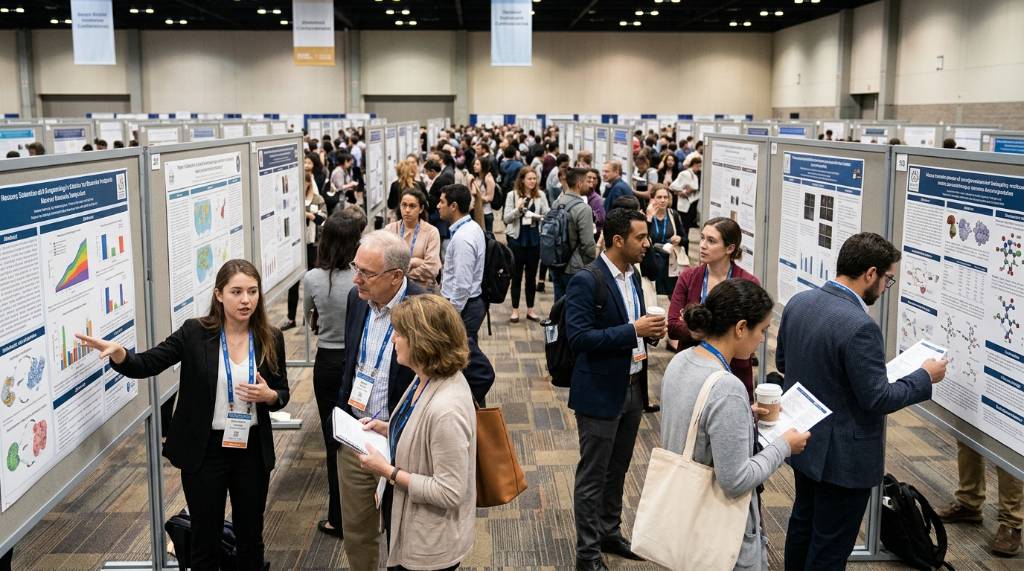
Oral sessions give presenters a few minutes to share results. Then the audience asks questions. Poster sessions work differently. Presenters stand beside their boards, and visitors stop for a chat. Many scientists say posters lead to the best conversations. Consequently, plan to spend real time in the poster hall.
Town Halls and Workshops
Town halls let the community discuss science policy, education, funding, and the future of research. Workshops go deeper. They teach skills and methods in a hands-on way. Both formats may need a separate sign-up, so add them when you register.
Awards and Honors
The meeting also features medal and award ceremonies. These events honor leaders in the geosciences. They also inspire students who watch the winners share their stories.
Exhibit Hall and Career Support
The exhibit hall brings together agencies, publishers, universities, and companies. You can test tools, ask about jobs, and collect free materials. Additionally, the program includes mentoring and career events for students and early-career scientists. Visit these early in the week, so you have time to follow up.
Who Should Attend
- Researchers who want feedback on new results
- Students who want exposure and mentors
- Educators who want fresh teaching ideas
- Policymakers and agency staff who track science trends
- Industry professionals who look for talent, data, or partners
- Science communicators who need story ideas and expert sources
If you fit any of these groups, the trip likely pays off.
Visitor Essentials
Where to Stay
Book through the official housing tool when possible. Block rates often cost less and sit close to the venue. However, rooms in the block can sell out. Therefore, reserve early and read the cancellation rules. Many downtown hotels sit within a 15-minute walk of Moscone Center. If you choose a hotel farther away, check the transit options first.
Weather and Packing
San Francisco is cool in December. Daytime highs often reach the mid-50s Fahrenheit, and nights drop into the 40s. December also brings rain. Smart packing keeps you comfortable.
| Item | Why it helps |
| Rain jacket | December is part of the wet season |
| Layers | Mornings are cool, and halls can feel warm |
| Comfortable shoes | You will walk between buildings and up hills |
| Portable charger | Long days drain phone batteries |
| Reusable water bottle | It saves money and reduces waste |
| Business cards or a contact code | They make sharing details quick |
Getting Around the City
Downtown is compact. You can walk to most places in the SoMa and Union Square areas. Additionally, BART, Muni, and cable cars cover longer trips. Hills can tire you out, so allow extra time. A transit card or phone payment app speeds up each ride.
Food and Budget Tips
Food is a big part of the trip. Cafés near Yerba Buena Gardens serve quick lunches. Meanwhile, nearby neighborhoods offer excellent dinners at many price levels. To save money, share rides, pack snacks, and refill a water bottle. Additionally, compare hotel rates with and without the block before you pay.
Sample Five-Day Plan
A plan keeps a huge meeting manageable. Use this sample as a starting point. The official program sets the final times.
| Day | Suggested focus |
| Monday, December 7 | Pick up your badge, learn the layout, attend opening sessions, and tour the exhibit hall |
| Tuesday, December 8 | Attend core sessions in your field and join an afternoon poster session |
| Wednesday, December 9 | Join a town hall or workshop and meet mentors at a networking event |
| Thursday, December 10 | Explore cross-discipline talks, award events, and career activities |
| Friday, December 11 | Catch final sessions, hold follow-up chats, and head home |
Smart Tips for First-Time Attendees
- Build your schedule before you arrive, and leave gaps for rest.
- Mark must-see talks and backup sessions.
- Charge your phone each night.
- Bring business cards or a digital contact code.
- Wear layers and comfortable shoes.
- Say hello to strangers in line. Many great collaborations start that way.
- Follow up within a week of the meeting.
Conclusion
The AGU Fall Meeting 2026 takes place December 7–11 at the Moscone Center in San Francisco. It brings together more than 25,000 people from over 100 countries. Registration and housing are open, although the abstract deadlines have passed. Therefore, book soon and watch for the early bird deadline. The program mixes oral talks, posters, town halls, workshops, awards, and career events. Meanwhile, simple planning, such as packing layers and choosing a nearby hotel, makes the trip smooth. Use the official AGU site for final details, and enjoy the week.
Frequently Asked Questions
1. When does the meeting take place in 2026?
It runs from Monday, December 7, to Friday, December 11, 2026.
2. Where is the meeting?
The meeting takes place at the Moscone Center, 747 Howard Street, San Francisco, California.
3. Is the meeting in person or online?
The official venue listing describes it as an in-person event. Check the AGU website for any online access options.
4. How many people attend?
AGU reports more than 25,000 attendees from over 100 countries.
5. How do I register?
Create an AGU account, choose your registration type, and pay through the official portal. Then book your hotel through the official housing tool.
6. Is registration still open?
AGU states that registration and housing are open. However, early bird deadlines can end soon, so check the dates on the registration page.
7. Can I still submit an abstract?
The regular deadline closed on August 5, and the late-breaking deadline fell on September 29. Therefore, check the AGU site for any updates. You can still attend without presenting.
8. Where should I stay?
Start with the official housing block. Alternatively, pick a downtown hotel within walking distance or near a BART or Muni stop.
9. How do I get from San Francisco International Airport to the venue?
Take BART to Powell Street Station, which takes about 30 minutes. Then walk a few blocks. Taxis and rideshares also work, but traffic can slow them down.
10. Are there discounts for students or members?
In past years, AGU offered lower rates for members, students, and attendees from lower-income countries. Confirm the 2026 rates on the registration page.